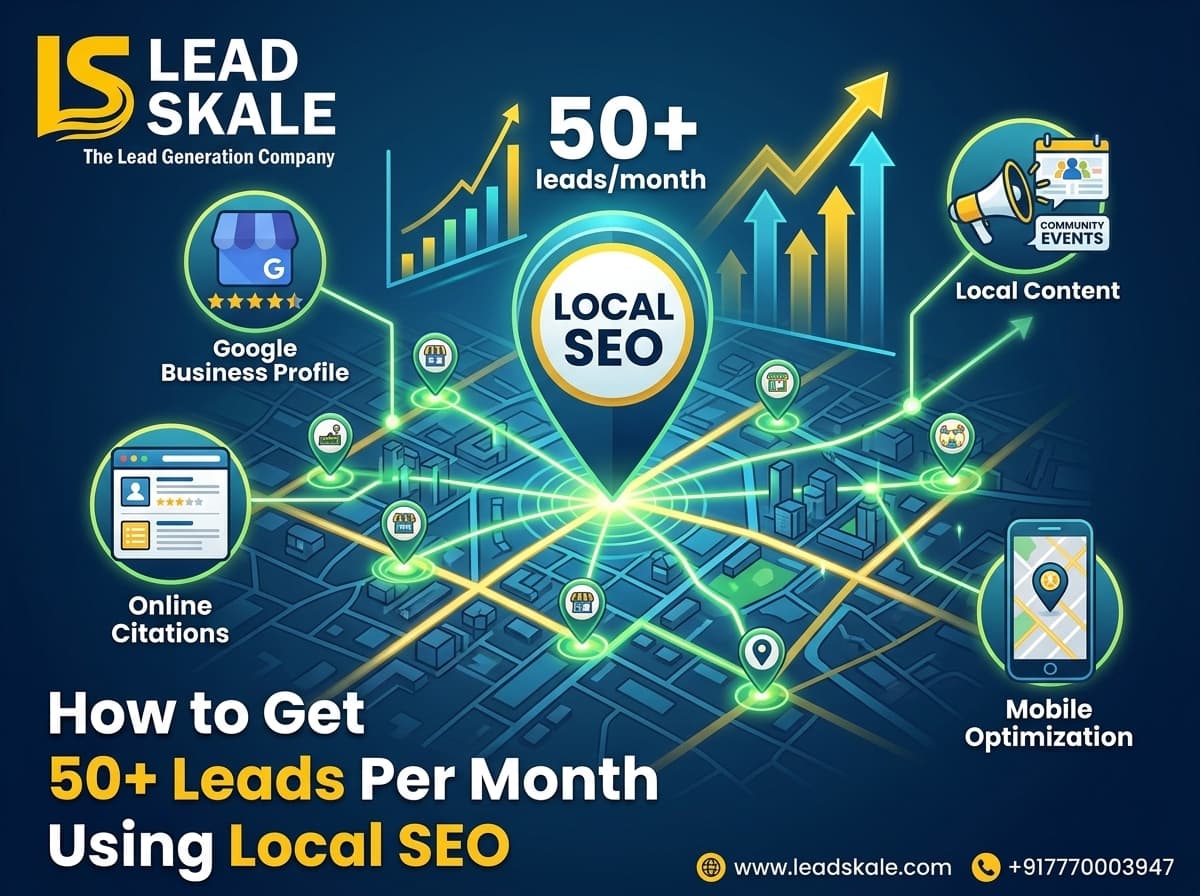
Difference Between SEO vs Local SEO (Simple Guide)
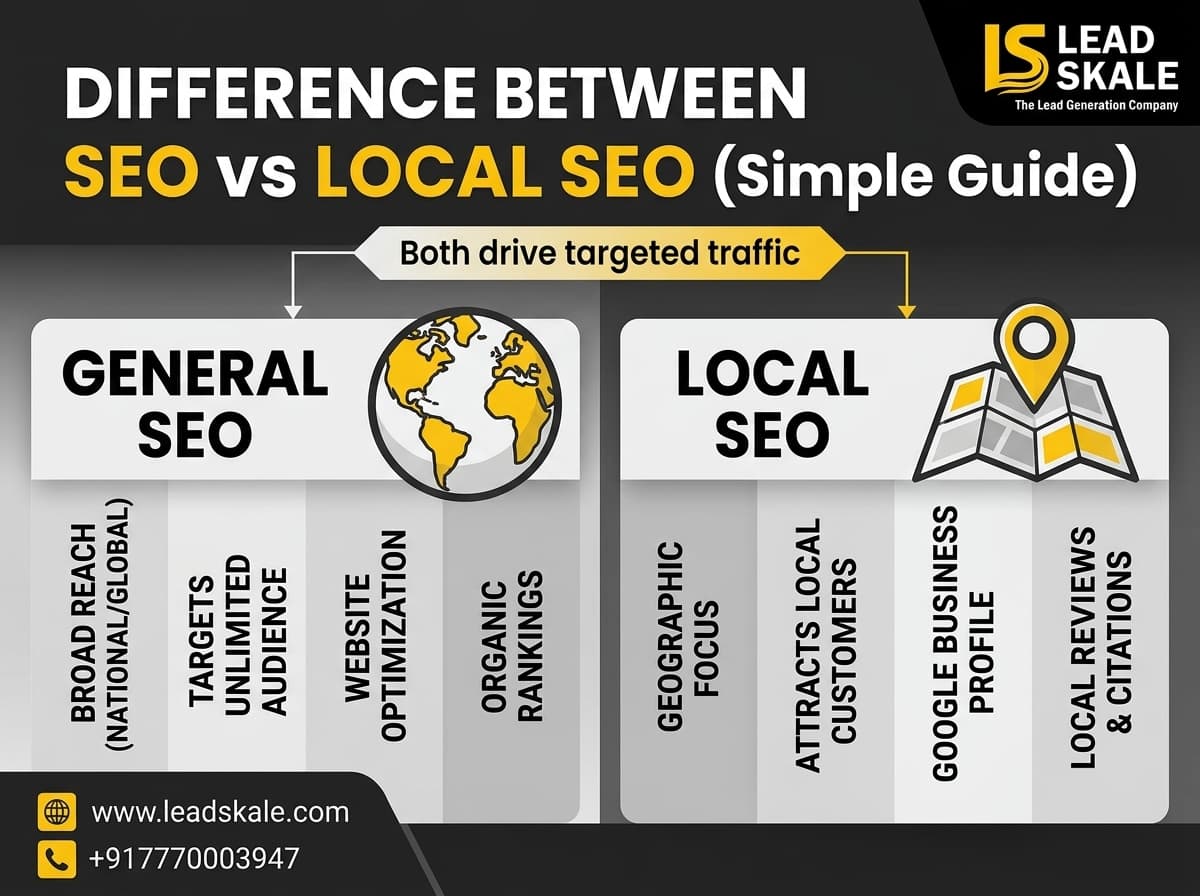
Understanding the Basics: What is SEO and Local SEO?
In the digital age, businesses are constantly seeking ways to improve their online presence. This leads us to the concepts of Search Engine Optimization (SEO) and Local SEO. Both are critical for visibility, but they serve different purposes.
What is SEO?
SEO refers to the process of optimizing a website to rank higher in search engine results pages (SERPs). The goal is to increase the quantity and quality of organic (non-paid) traffic to a website. Effective SEO strategies include keyword research, on-page optimization, content creation, and link building.
What is Local SEO?
Local SEO, on the other hand, focuses on optimizing a website to increase traffic from local searches. This is particularly important for businesses that operate on a local level or serve specific geographical regions. Local SEO strategies often include managing local listings, optimizing Google My Business, and gathering customer reviews.
Key Differences Between SEO and Local SEO
Understanding the differences between SEO and Local SEO is essential for businesses planning their digital marketing strategy.
1. Target Audience
SEO aims at a broader audience, seeking to attract users across the globe. In contrast, Local SEO is tailored for users searching for services or products within a specific area. If your business serves clients locally, Local SEO should be a core component of your strategy.
2. Search Results
Typical SEO results are web page listings that can be found anywhere in the world. Local SEO results are visually distinct, often displayed in a map pack at the top of the results page, showing nearby businesses that meet the search criteria.
3. Keywords and Phrases
SEO keywords are generally broader and focus on the product or service rather than a location. For example, “digital marketing services” is a typical SEO keyword. Local SEO utilizes localized keywords, such as “digital marketing services in [City Name].” This focus on local terms helps capture clients from specific geographies.
4. Ranking Factors
While both strategies consider website quality, user experience, and backlinks, Local SEO places additional emphasis on local citations, Google My Business performance, and customer reviews. Attention to these local signals can dramatically influence ranking on local searches.
5. Content Strategy
With SEO, content strategy might involve creating blog posts, guides, or resources that attract a wider audience. Local SEO content is more focused, incorporating local events, news, and community-related topics that will resonate with the local clientele.
Benefits of SEO and Local SEO
Both SEO and Local SEO offer distinct advantages:
Benefits of SEO
- Increased organic traffic
- Enhanced brand awareness
- Better user experience
- Higher ROI
Benefits of Local SEO
- Improved visibility in local searches
- Increased foot traffic to physical stores
- Enhanced brand credibility through local reviews
- Targeted customer engagement
How to Implement SEO Strategies
Here are essential steps for effective SEO implementation:
1. Conduct Keyword Research
Identify key phrases that your target audience is searching for. Utilize tools like Google Keyword Planner for insights.
2. Optimize On-Page SEO
Ensure that your website’s title tags, headers, meta descriptions, images, and content are optimized with relevant keywords.
3. Build Quality Backlinks
Create high-quality content that others want to link to, and reach out to industry websites for guest blogging opportunities.
4. Monitor Your Performance
Use tools like Google Analytics to track your traffic sources, user behavior, and other metrics to refine your strategies.
How to Implement Local SEO Strategies
Implementing Local SEO involves several key tactics:
1. Optimize Google My Business
Create and verify your Google My Business listing to help your business appear in local searches and Maps.
2. Use Local Keywords
Integrate localized keywords into your website's content, including city names and neighborhood-specific terms.
3. Gather Customer Reviews
Encourage satisfied customers to leave reviews on your Google My Business profile and other local directories.
4. Create Local Content
Write blog posts or articles focusing on local events, news, and updates to engage with local audiences.
When to Use SEO vs. Local SEO?
When deciding whether to use SEO or Local SEO, consider the nature of your business:
- If your business has a global reach, prioritize SEO to capture a wider audience.
- If your business operates in a specific location and serves a local clientele, focus on Local SEO to improve visibility in that geographical market.
Both SEO and Local SEO are vital in boosting your online presence. While they share similarities, understanding their differences can help tailor a more effective digital marketing strategy. If you need help optimizing your business’s online presence, Lead Skale offers comprehensive digital marketing solutions, including SEO and Local SEO services.
FAQs
1. What is the primary difference between SEO and Local SEO?
SEO targets overall online visibility, while Local SEO focuses on optimizing for local searches and attracting nearby customers.
2. How can I improve my local SEO?
Optimize your Google My Business listing, use localized keywords, and encourage customer reviews to enhance local SEO.
3. Do I need both SEO and Local SEO?
If your business serves a global audience and has local presence, using both strategies can maximize your online visibility.
4. How long does it take for SEO to show results?
SEO is a long-term strategy; results can typically take 3-6 months depending on competition and strategy effectiveness.
5. Can I do SEO and Local SEO myself?
Yes, but professional assistance can often yield faster results and a more comprehensive approach.
If you have more questions, feel free to call us at 7770003947. For personalized strategies and to boost your online presence, consider implementing SEO and Local SEO with Lead Skale. Get More Details or Explore More.